%2Ffit-in%2F250x250%2Fusers%2F8f0a5a15-cca4-422e-9fa9-5f9aaf74ca43%2Fimages%2Fc7e3e274-33dd-4f58-9883-f2915824c892.jpg&w=1920&q=100)
Mahi Mahi Fishing in Lewes, DE - Catch Fast-Surface Fish
Mahi Mahi Fishing in Lewes - What to Expect
5.0

1 Review
- 5
 100%
100% - 4
 0%
0% - 30%
- 20%
- 10%
%2F%2Fusers%2F8f0a5a15-cca4-422e-9fa9-5f9aaf74ca43%2Fimages%2Flewes-mahi-mahi-fishing-catch-6793.png&w=1920&q=75)
Fishing Charter by Captain Jon Fazekas in August
Meet your Captain Jon Fazekas
- Discover The Best Lewes DE Fishing Charters


Summary
Join Captain Jon Fazekas of Bottom Line Sportfishing on Saturday, August for an explosive 10-hour fishing charter targeting mahi mahi around Lewes. This pot-hopping adventure puts you hands-on with live bait and artificial lures, chasing acrobatic surface strikers across productive buoy lines and weed lines. With six anglers aboard and expert guidance, you'll experience nonstop action and premier table fare.
Fishing Charter with Captain Jon Fazekas - Rates & Booking
Captain Jon Fazekas of Bottom Line Sportfishing takes anglers out on Saturday, August for a full 10-hour offshore run from Lewes that focuses entirely on chasing fast-moving mahi mahi. This fishing charter accommodates up to six guests and emphasizes active light-tackle fishing rather than passive approaches. You'll depart at first light from Anglers Road and spend the day pot-hopping - running from buoy to buoy and floating weed line to floating weed line, pitching live bait and casting artificial lures directly into feeding schools.
The trip is designed around what mahi mahi do best - explosive surface strikes and high-flying acrobatics right alongside the boat. With ten hours on the water, there's ample time to work multiple productive sections, hit active feeding frenzies, and build a cooler full of premium fish. Light tackle gear is included, and Captain Fazekas brings decades of local knowledge about where these fish hold and when they feed hardest. This is a hands-on experience that rewards anglers willing to stay active and engaged throughout the day.
To reserve your spot on this action-packed mahi adventure, contact Bottom Line Sportfishing directly. Rates vary based on group size and seasonal demand, but the charter structure is designed to maximize your hookup opportunities and ensure you leave with a full cooler and unforgettable memories on the water.
Highlights of Chase Fast-Surface Mahi Mahi Across Lobster Pot Lines
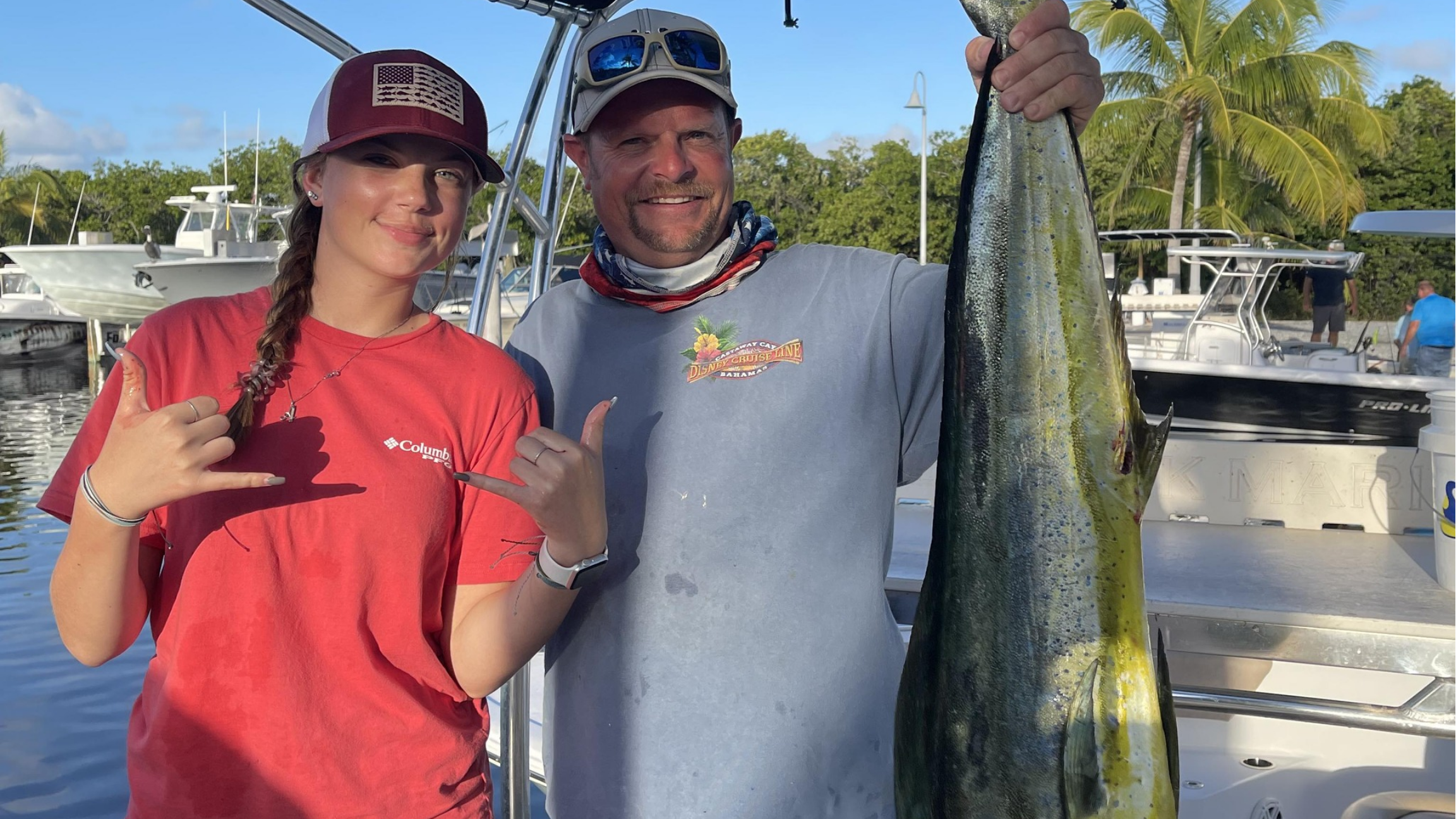
This charter's core highlight is the pot-hopping method itself. Instead of cruising open water and hoping for strikes, you're actively moving between established buoy chains and floating weed lines where mahi naturally congregate. These fish are voracious hunters, and when you pitch bait or cast lures into a school, strikes are often immediate and violent. You'll watch them charge, leap, and fight hard - exactly the kind of explosive action that makes mahi one of the most sought-after inshore game fish.
The ten-hour timeframe gives real substance to the experience. You're not racing the clock; you have genuine opportunity to work multiple productive zones, adjust tactics based on conditions, and even double up when feeding activity reaches a frenzy. The vibrant colors of mahi - greens, yellows, and blues - make every hookup visually stunning, and their acrobatic behavior means constant adrenaline on the deck. For anglers seeking a high-paced, engaging day with genuine results, this trip delivers.
Local Species Insights: Mahi Mahi
Mahi mahi are among the most visually striking and behaviorally explosive fish in Delaware offshore waters. These tropical and subtropical fish migrate into temperate waters during summer months, with peak season running through late fall. They're aggressive hunters with a metabolism that keeps them constantly feeding, and they show a strong affinity for structure - which is why pot lines and weed lines are so productive.
What makes mahi ideal for light-tackle fishing is their willingness to hit both live bait and artificial lures aggressively. They'll chase, strike hard, and immediately leap when hooked. Their speed and power on light gear creates an intense fight relative to their size, and they're known for aerial displays that make them genuinely fun to land. On the dinner table, mahi is prized for its firm white meat and mild, slightly sweet flavor - which explains why successful anglers often leave wondering how they'll prepare everything they've caught.
Mahi typically school near structure and current breaks. In the Lewes area, lobster pot lines create exactly these conditions, concentrating both forage species and the mahi hunting them. As you move from buoy to buoy, you're essentially covering established hunting grounds where these fish have proven patterns. The pot-hopping approach respects this behavior and puts you exactly where active fish are likely to be feeding.
Plan Your Mahi Fishing Day
Expect to depart at first light, which in late August means an early morning start. The full ten-hour window means you'll be working through prime feeding windows - early morning, late afternoon, and potentially into early evening depending on seasonal light. Bring sunscreen, a hat, polarized sunglasses, and appropriate clothing for offshore exposure. Weather on the water is variable, so layers are always smart.
Your group of up to six anglers will have plenty of deck space to cast and move around the boat. Light tackle is provided, so you don't need to own specialized equipment - though experienced anglers often bring personal rods they prefer. Captain Fazekas will handle navigation and positioning; your job is to stay alert, cast accurately, and set the hook when strikes come. Bring a cooler or plan to store your catch with the captain. Stay hydrated throughout the day - the combination of sun, excitement, and active fishing demands it.
Fishing in Lewes:
Bottom Line Sportfishing Available Trips
The vessel is a spacious fishing boat built to handle six anglers comfortably with room to move, cast, and work the deck without crowding. You'll notice the setup immediately - plenty of rod holders positioned around the boat, clean working surfaces for tackle and gear, and logical layout that lets the captain navigate while anglers stay productive. The boat has enough freeboard to handle offshore conditions while staying accessible, and the overall vibe is practical and built for work. You'll have good sight lines for spotting structure markers and reading water conditions. There's room to store coolers and personal gear without cluttering the fishing space, and the deck design keeps everyone safe while making transitions between casting zones smooth. The boat feels built for the job - handling mahi pot-hopping runs efficiently and getting you to productive water with minimal wasted time.